Cold Plunge vs Sauna: The Science of Contrast Therapy
Why compare them in the first place
Cold plunging and sauna get compared a lot because they are the two most popular forms of temperature-based wellness, and they are often found together in spas and gyms. But they work through completely different physiological pathways and produce different outcomes.
The truth is: they are not really competitors. They are complements. Choosing between them makes sense only if you can only do one. If you can do both, the combination — contrast therapy — produces effects that neither does alone.
What each does to your body
- Cold plunge: Activates the sympathetic nervous system (fight or flight). Increases dopamine and norepinephrine. Activates brown fat and increases metabolic rate. Constricts blood vessels. Reduces inflammation acutely. The effects are primarily nervous system and metabolic.
- Sauna: Activates the parasympathetic nervous system (rest and digest). Releases endorphins and heat shock proteins. Dilates blood vessels. Increases heart rate and cardiac output (passive cardiovascular training). Promotes sweating and detoxification. The effects are primarily cardiovascular and recovery-oriented.
These are fundamentally different states. A cold plunge wakes you up. A sauna calms you down. Using them together — cold first or heat first — creates a cycle of vasoconstriction and vasodilation that trains your vascular system differently than either alone.
What the research says about each
Cold plunging: The PLOS 2025 meta-analysis found the strongest evidence for stress reduction and sleep improvement from cold water immersion. The effects are moderate and the evidence quality is mixed. The Harvard Health review describes it as "limited but promising."[1], [2]
Sauna: The sauna research is actually stronger in some areas. Regular sauna use has been associated with reduced risk of cardiovascular disease, lower blood pressure, and even reduced dementia risk in large Finnish cohort studies. The evidence for sauna is more robust because the studies are larger and longer-term.
Neither is "better" — they address different systems. If you had to pick one based on research quality alone, sauna has better long-term outcome data. But the question most people are really asking is different: which one should I do today?
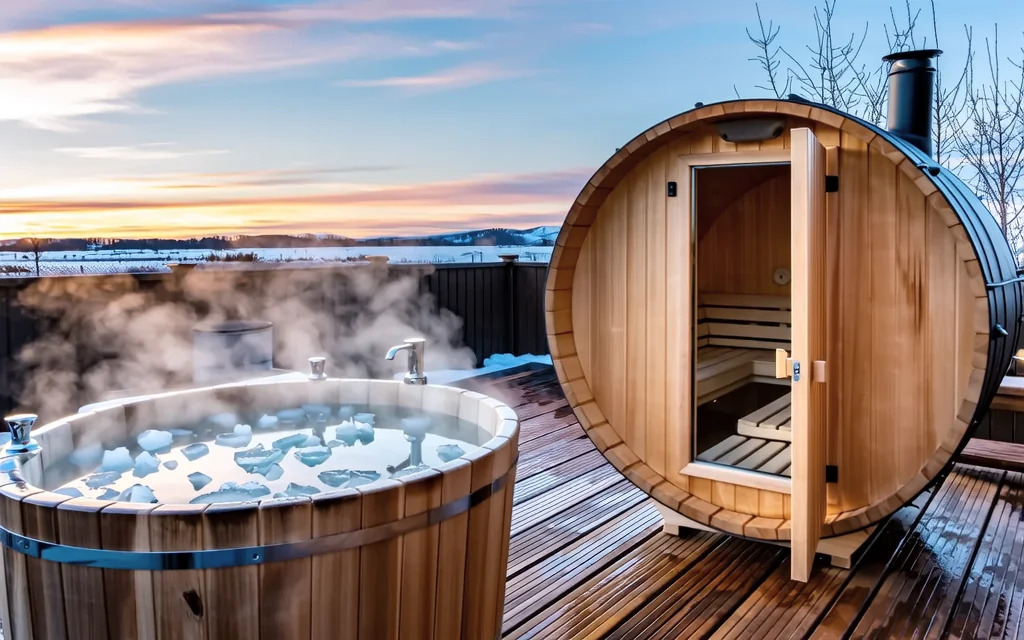
Contrast therapy: the best of both
Alternating between heat and cold — usually 15–20 minutes in a sauna followed by 2–3 minutes in a cold plunge, repeated 2–3 times — produces a vascular training effect called vascular conditioning. Your blood vessels learn to dilate and constrict more efficiently. This is the same effect that cardiovascular exercise produces, through a different mechanism.
The Broatch 2018 review noted that contrast therapy may be as effective as cold-only immersion for recovery, and some athletes prefer it because it avoids the discomfort of prolonged cold exposure.[3]
Which one should you choose?
- Pick cold plunging if: you want mental alertness, dopamine boost, metabolic activation, and stress reduction spread across the day. Cold is also better if you are time-poor — a 3-minute plunge gives you more acute effect than a 3-minute sauna session.
- Pick sauna if: you want cardiovascular conditioning, deep muscle relaxation, end-of-day wind-down, and better long-term cardiovascular health data. Sauna sessions are longer (15–30 minutes) but the relaxation effect is deeper.
- Do both (contrast therapy) if: you have access to both and want the full spectrum. Morning plunge + evening sauna is a common split. Or do a contrast cycle on rest days when you have time.
You can use the cold plunge calculator on this site for the cold portion of your contrast therapy routine.
Questions people actually ask
Should I sauna or cold plunge first?
If you are doing a single session of one: it depends on your goal. Plunge first if you want alertness. Sauna first if you want relaxation. If doing contrast cycles (alternating), most people prefer to start with sauna for 15–20 minutes, then plunge for 2–3 minutes, and repeat 2–3 times. Always end on cold for an alert finish or on heat for a relaxed finish.
Is contrast therapy safe for beginners?
Contrast therapy puts more stress on your cardiovascular system than either sauna or cold alone. The rapid temperature swings increase heart rate variability that can be intense. Start with just sauna or just cold for a few weeks before combining them.
Does a sauna cancel out the benefits of cold plunging?
No. The two work through different pathways and do not cancel each other. However, doing a sauna immediately after a cold plunge will warm you up faster, which may reduce the after-drop thermogenesis effect. If your goal is metabolic activation from cold, wait 30–60 minutes before hitting the sauna.
Can I lose more weight with contrast therapy?
The calorie burn from both is modest. A sauna session burns some calories through increased heart rate, but the weight loss is mostly water weight (which returns). Cold plunging burns more through thermogenesis. Combined, the effect is still small compared to diet and exercise.
Get your number
Use the free calculator to get a safe plunge time for your water temperature and build a weekly plan that fits your goal.
Open the calculator